

Strategy Inc stocks have been trading down by -3.27 percent amid concerns that recent headlines signal weakening growth prospects.
Key Takeaways
- MicroStrategy is up 6.2% in premarket trading after a powerful Friday move.
- The stock had already surged 16.4% on Friday, turning heads across the tape.
- WallStreetBets attention and momentum buying are driving aggressive short-term trading in MSTR.
- Recent price action shows a sharp reversal from a multi-day pullback into renewed upside.
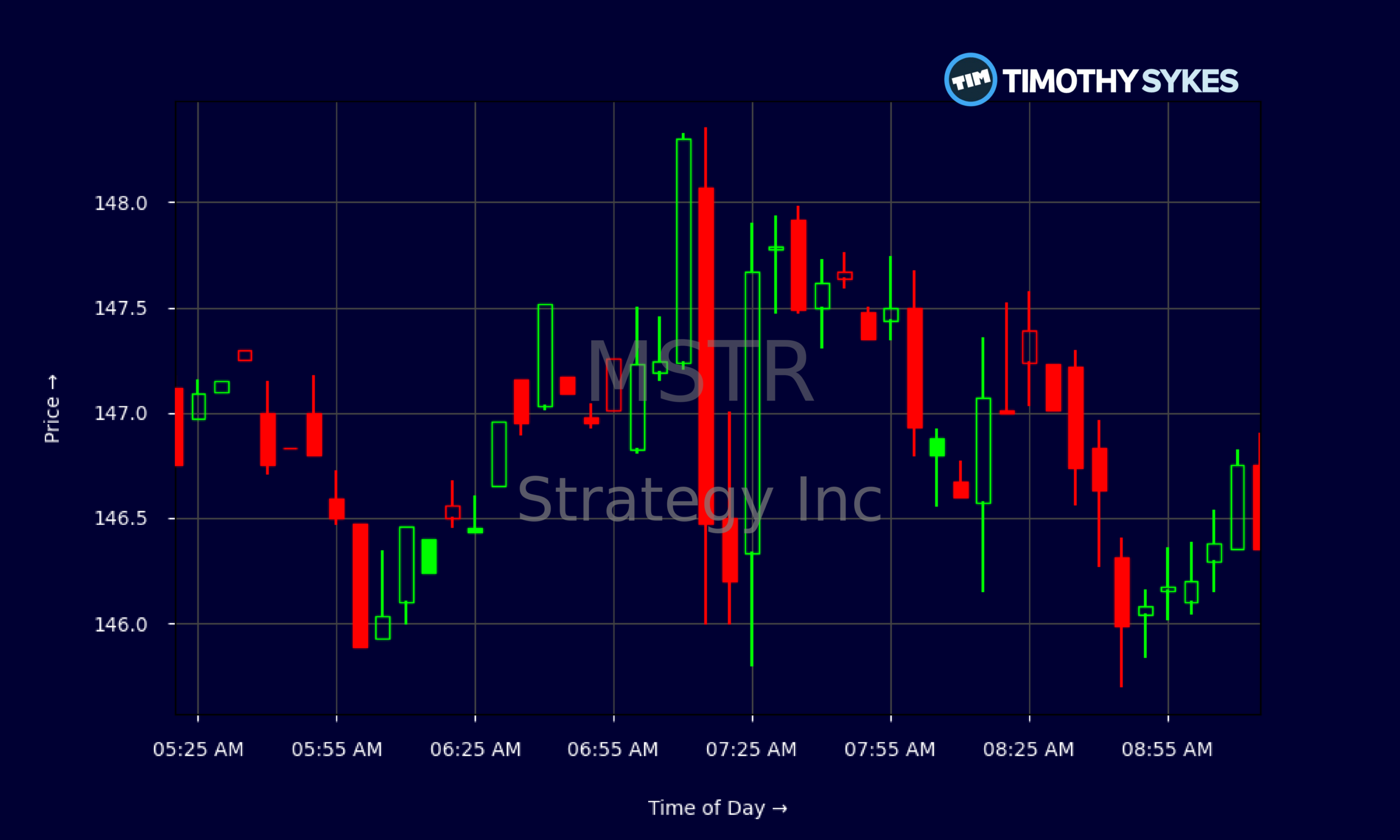
Live Update At 09:18:12 EDT: On Friday, October 16, 2026 Strategy Inc stock [NASDAQ: MSTR] is trending down by -3.27%! Discover the key drivers behind this movement as well as our expert analysis in the detailed breakdown below.
Quick Financial Overview
MicroStrategy, trading under ticker MSTR, is acting like a pure momentum vehicle right now, but the underlying numbers still matter for traders who care about risk. Revenue over the last period came in around $477.2M, yet the company is running deep losses, with net income at roughly -$8.2B and earnings per share at about -$24.45. That is not a typo. MSTR is losing serious money on paper.
Despite that, MicroStrategy’s balance sheet shows strong liquidity. A current ratio above 5 means MSTR has more than five times the short-term assets it needs to cover short-term bills. Long-term debt is meaningful but not crushing relative to total equity.
More Breaking News
On valuation, traders are clearly paying for exposure and story, not cash flow. A price-to-sales multiple above 130 signals that MSTR trades more like a high-octane speculation than a traditional software name. For active traders, that combination of heavy reported losses, big equity base, and rich multiples screams volatility. MSTR is the kind of stock that can run hard in both directions when sentiment flips.
Why Traders Are Watching MSTR Momentum
The latest headline move is all about flow and attention. MicroStrategy is up 6.2% in premarket trading after a 16.4% surge on Friday, and traders are zeroing in on the catalyst: WallStreetBets chatter and momentum buying. When a ticker like MSTR catches that kind of crowd fire, fundamentals step into the back seat and order flow takes the wheel.
Look at the recent daily chart. Over the last few weeks MSTR drifted down from the mid‑$160s into the low‑$150s, with several sessions closing in the $152–$160 zone. That slow grind lower often shakes out weak hands. Then you get a high‑volume launch like Friday’s 16.4% spike, and suddenly every short-term trader who ignored MSTR all month is pulling up the chart.
The intraday premarket tape near $146–$148 shows a tight range with frequent prints, a classic sign of active positioning before the open. For momentum traders, that sets up clean intraday levels to watch — breaks above premarket highs or flushes below premarket lows can become triggers.
What matters now is that the story around MicroStrategy is being written by social media, not earnings revisions. As long as WallStreetBets keeps pushing MSTR, traders should expect sharp gaps, fast squeezes, and painful reversals. This is a playground for disciplined day traders who plan exits in advance, not a parking lot for passive capital.
Conclusion
MicroStrategy and its ticker MSTR are back in the spotlight, not because the business suddenly transformed, but because momentum traders grabbed the wheel. Massive reported losses, sky‑high valuation ratios, and complex capital moves have not scared away short-term trading — they have almost become part of the lore around MSTR as a speculative vehicle.
The current setup is simple to describe and hard to trade well. You have a stock that just ripped 16.4% on Friday and is adding another 6.2% in premarket trading, powered by WallStreetBets buzz and momentum buying. That often attracts late chasers right before the next big pullback. It can also trigger violent short squeezes when too many traders lean against the move.
This is where discipline separates professionals from gamblers. As Tim Sykes likes to hammer home, “Cut losses quickly, because big losses start as small ones.” As millionaire penny stock trader and teacher Tim Sykes says, “Cut losses quickly, let profits ride, and don’t overtrade.” For anyone trading MSTR, that mindset matters. Treat MicroStrategy as the volatile momentum name it is right now. Build a detailed plan before you hit the buy or sell button, respect your stop levels, and remember this is educational and research material — not a signal to blindly follow the crowd into the next spike.
This is stock news, not investment advice. Timothy Sykes News delivers real-time stock market news focused on key catalysts driving short-term price movements. Our content is tailored for active traders and investors seeking to capitalize on rapid price fluctuations, particularly in volatile sectors like penny stocks. Readers come to us for detailed coverage on earnings reports, mergers, FDA approvals, new contracts, and unusual trading volumes that can trigger significant short-term price action. Some users utilize our news to explain sudden stock movements, while others rely on it for diligent research into potential investment opportunities.
Dive deeper into the world of trading with Timothy Sykes, renowned for his expertise in penny stocks. Explore his top picks and discover the strategies that have propelled him to success with these articles:
- Penny Stocks Trading Guide
- Best Penny Stocks Under $1 to Buy Today
- Top 8 Penny Stocks to Watch on Robinhood
Once you’ve got some stocks on watch, elevate your trading game with StocksToTrade the ultimate platform for traders. With specialized tools for swing and day trading, StocksToTrade will guide you through the market’s twists and turns.
Dig into StocksToTrade’s watchlists here:





Leave a reply