

Veradermics Incorporated stocks have been trading up by 11.3 percent following positive sentiment from its latest breakthrough dermatology trial results.
Key Takeaways
- Shares of MANE have bounced from last week’s lows, with Veradermics Incorporated closing near the top of its recent range.
- Intraday trading in MANE shows steady grinding price action, not wild spikes, giving short-term momentum traders cleaner levels.
- Veradermics Incorporated is burning cash and running losses, but carries over $300M in cash and almost no debt, a key cushion.
- MANE trades at a rich price-to-book ratio, signaling traders are paying up for future growth rather than current earnings.
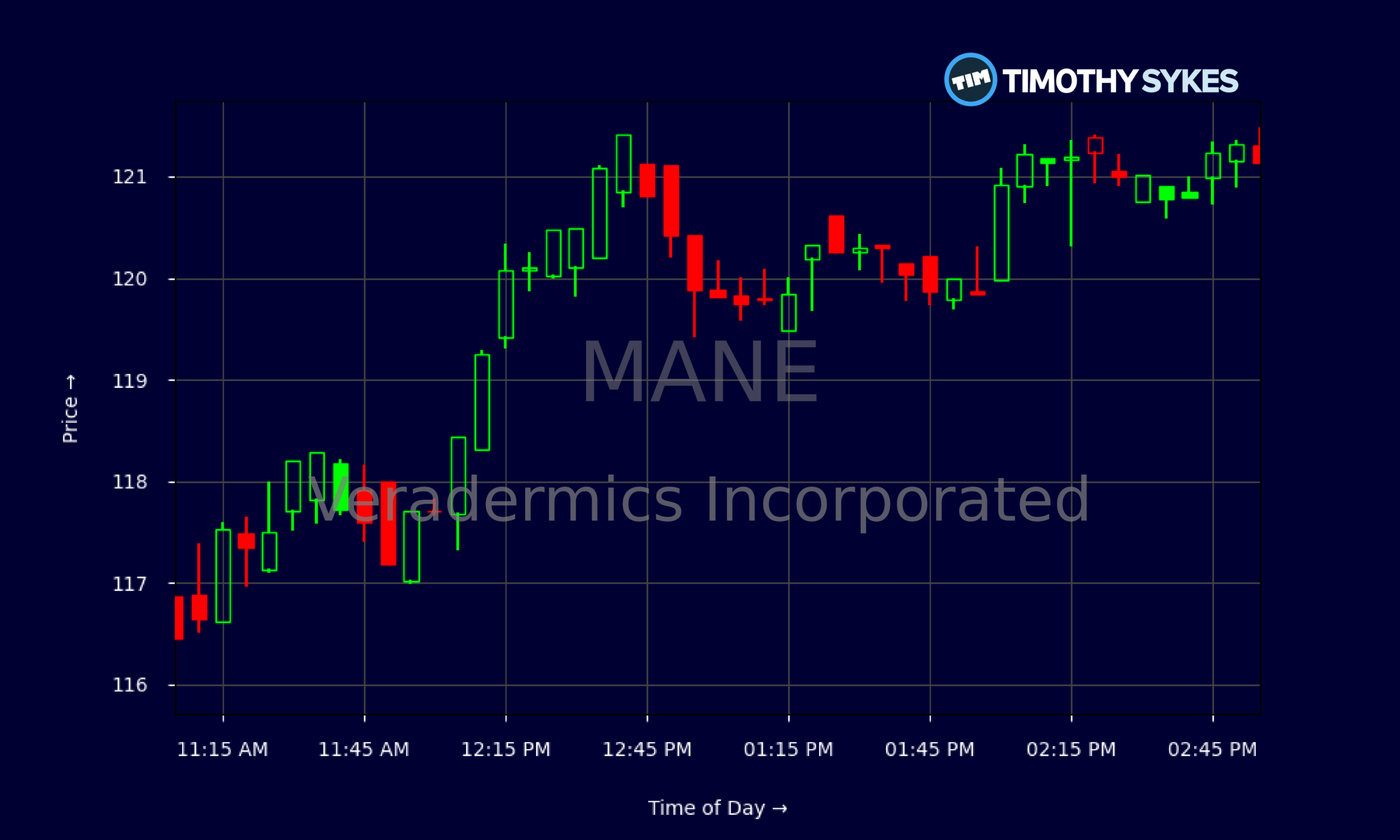
Live Update At 15:02:15 EDT: On Monday, October 19, 2026 Veradermics Incorporated stock [NYSE: MANE] is trending up by 11.3%! Discover the key drivers behind this movement as well as our expert analysis in the detailed breakdown below.
Quick Financial Overview
Veradermics Incorporated, trading under ticker MANE, is a classic early‑stage, high‑expectation story. The company is not profitable yet. MANE posted a quarterly net loss of about $23.5M, or roughly -$0.58 per share, and its return on assets sits around -6.5%. That tells traders right away: this is a growth and speculation name, not a value play.
But MANE’s balance sheet changes the conversation. Veradermics Incorporated reports roughly $319M in cash and over $819M when you include cash equivalents and short‑term investments. Total debt is tiny, with long‑term obligations around $0.4M and total liabilities just above $12M. That leaves MANE with more than $813M in equity and hefty working capital north of $800M. In simple terms, the company is losing money now, but it has runway.
More Breaking News
The price is where things get interesting. With book value per share around $19.47 and MANE stock trading in the low $120s, traders are paying over 6x book. That premium says the market expects Veradermics Incorporated to convert that cash and R&D spend into future revenue and, eventually, profits. For active traders, MANE is about sentiment, momentum, and timing more than classic fundamentals.
Why Traders Are Watching MANE Price Action
The chart is where MANE really earns its spot on watchlists. Over the past several sessions, Veradermics Incorporated has swung from a low around $106–$108 back into the $120 area. That’s a strong bounce off support and shows buyers stepping in on dips. MANE pushed as high as $129.99 recently before pulling back, giving traders a clear near‑term resistance zone in the high $120s.
Look at the daily closes: MANE slid from the high $120s down toward $109, then quickly reclaimed $115 and now sits near $121. That V‑shaped recovery is the kind of pattern momentum traders love to stalk. It signals trapped shorts and dip buyers battling it out. Veradermics Incorporated has also printed several days where the close is near the upper half of the day’s range, another sign of persistent demand.
Zooming into the intraday 5‑minute chart, MANE shows a steady trend rather than chaotic spikes. After an early flush toward $114–$115, Veradermics Incorporated grinded higher through midday, then based in the $119–$121 zone into the close. That controlled ramp matters: it gives traders tight levels for risk management. Breaks over intraday highs around $121.30–$121.50 can trap shorts, while prior support near $116–$117 becomes the key line in the sand.
When you combine that price action with MANE’s cash‑heavy balance sheet and ongoing cash burn, the story is simple. Veradermics Incorporated is a speculative growth name with enough runway to keep funding its research, and the stock trades like a momentum vehicle. For active traders, MANE’s range, liquidity, and clear technical levels make it a prime candidate for watchlists, both on the long and short side.
Conclusion
Veradermics Incorporated, through its MANE ticker, sits at the intersection of story and structure. The story is a development‑stage company pouring roughly $18.6M per quarter into research and running operating losses near $30M. The structure is a fortress balance sheet, with over $319M in cash and minimal debt backing a stock trading more than six times book value. That combination attracts traders who are comfortable with volatility and focused on price, not earnings.
On the chart, MANE has already shown it can move. Veradermics Incorporated sold off from the high $120s to the low $100s, then snapped back toward $121 with intraday action that favored dip buys and afternoon strength. As long as MANE holds above recent support zones, momentum‑focused traders will keep looking for breakouts toward prior highs and potential over‑extension for possible short setups.
The key is discipline. Names like MANE reward traders who plan their trades, define risk, and do not marry the story. Tim Sykes says it best: “Cut losses quickly, because big losses start as small ones you refused to take.” As millionaire penny stock trader and teacher Tim Sykes, says, “There is always another play around the corner; don’t chase just because you feel FOMO.”. For those studying Veradermics Incorporated, that means respecting your stops, mapping the daily and intraday levels, and remembering this is educational, research‑driven trading — not a guarantee of future returns.
This is stock news, not investment advice. Timothy Sykes News delivers real-time stock market news focused on key catalysts driving short-term price movements. Our content is tailored for active traders and investors seeking to capitalize on rapid price fluctuations, particularly in volatile sectors like penny stocks. Readers come to us for detailed coverage on earnings reports, mergers, FDA approvals, new contracts, and unusual trading volumes that can trigger significant short-term price action. Some users utilize our news to explain sudden stock movements, while others rely on it for diligent research into potential investment opportunities.
Dive deeper into the world of trading with Timothy Sykes, renowned for his expertise in penny stocks. Explore his top picks and discover the strategies that have propelled him to success with these articles:
- Penny Stocks Trading Guide
- Best Penny Stocks Under $1 to Buy Today
- Top 8 Penny Stocks to Watch on Robinhood
Once you’ve got some stocks on watch, elevate your trading game with StocksToTrade the ultimate platform for traders. With specialized tools for swing and day trading, StocksToTrade will guide you through the market’s twists and turns.
Dig into StocksToTrade’s watchlists here:





Leave a reply