
Atlantic American Corporation gains momentum as stocks have been trading up by 35.11 percent amid heightened investor optimism.
Key Takeaways
- Atlantic American Corporation (AAME) filed a new Form 8-K current report with the SEC, signaling a reportable corporate event.
- Public coverage of the AAME filing does not reveal what specific event triggered the 8-K disclosure.
- Traders now know something material happened at AAME, but the lack of detail keeps the risk-reward profile uncertain in the short term.
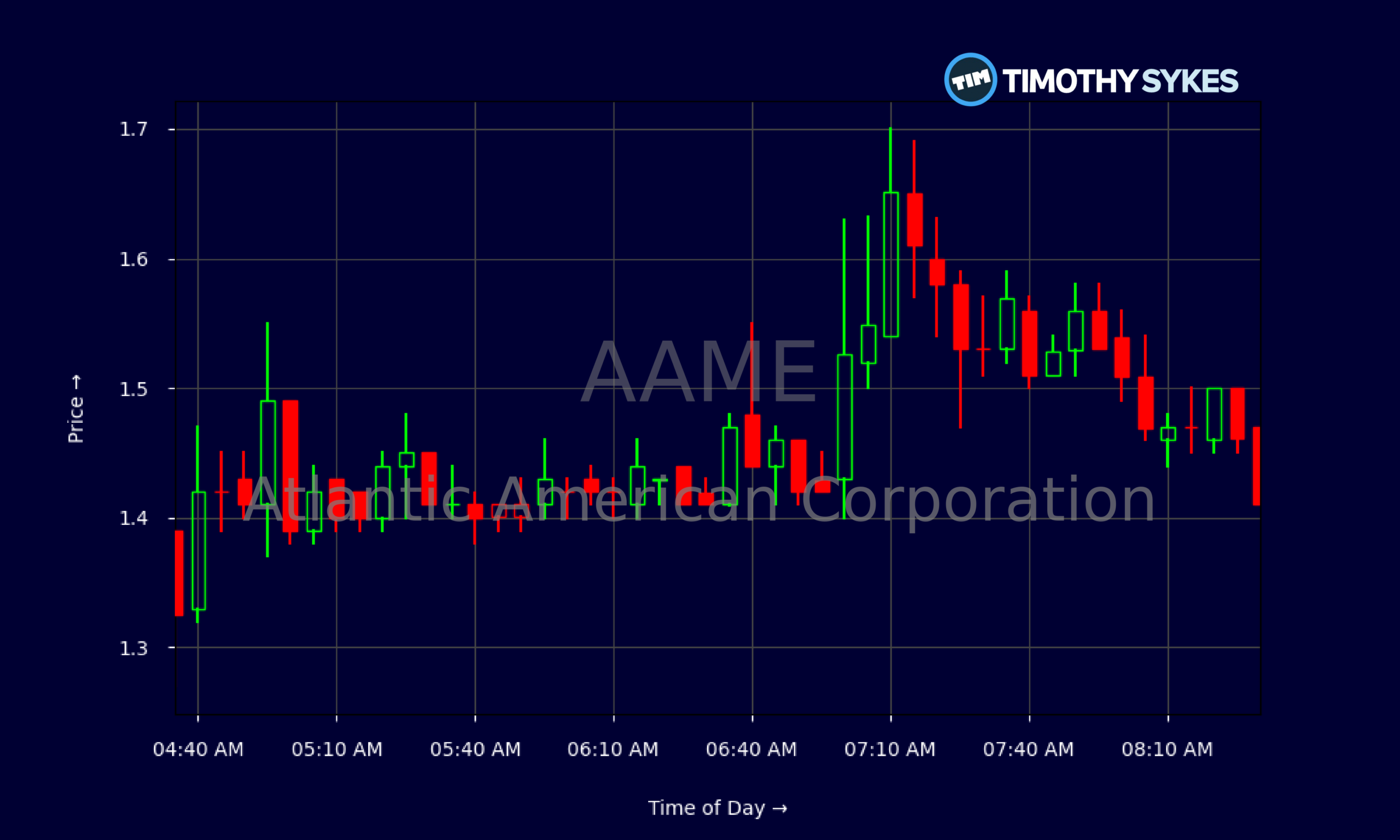
Live Update At 08:32:35 EDT: On Monday, October 19, 2026 Atlantic American Corporation stock [NASDAQ: AAME] is trending up by 35.11%! Discover the key drivers behind this movement as well as our expert analysis in the detailed breakdown below.
Quick Financial Overview
Atlantic American Corporation, trading under ticker AAME, is a thinly traded micro-cap, and the numbers show a classic value-style setup paired with headline risk. On the fundamental side, AAME posted roughly $210.4M in revenue, with revenue per share over $10. Profit margins are slim, but positive on a total basis, and return on equity sits in the low single digits, which tells traders this is a steady but not explosive insurer.
Valuation is where AAME stands out. A price-to-earnings ratio near 5.6 and a price-to-sales around 0.12 are both deep-discount levels for an insurance name. The stock also trades at roughly 0.22 times book value and under 1 times cash flow, signaling the market is pricing AAME like a troubled asset even though the balance sheet shows modest leverage, with total debt-to-equity about 0.31.
More Breaking News
On the chart, AAME has been sliding from the $1.30s down toward $1.05 over the recent daily data, a controlled fade rather than a crash. That slow drift lower sets the stage for sharp spikes when news—like this surprise 8-K—hits and wakes up traders looking for volatility.
Why Traders Are Watching AAME’s Mystery 8-K
The latest catalyst is simple but powerful: Atlantic American Corporation filed a Form 8-K with the SEC, and the public summary does not spell out what happened. For active traders, that omission is not a dead end. It is a setup. AAME just told the market that a reportable corporate event occurred, yet the impact is still hidden behind the legal language.
When that type of uncertainty collides with a low float micro-cap like AAME, price action often moves first and asks questions later. The intraday tape already shows that story. Pre-market and early regular-hours trading took AAME from around $1.44 up to nearly $2.79 before pulling back into the mid-$1 range. That is a massive range for a stock that had been closing near $1.05–$1.10 on recent days.
This tells traders two things about AAME. First, there is real demand for a story here; traders are willing to chase as soon as a headline flags a change. Second, liquidity is thin enough that a wave of orders—long or short—can push AAME dramatically in minutes.
Because the 8-K details are not in the summary, disciplined traders treat Atlantic American Corporation like an “event pending” play. The filing guarantees that something material was important enough for disclosure, but not whether it is bullish or bearish. That is why experienced day traders focus more on the chart than the rumor mill right now. AAME’s big morning spike, fade, and wide intraday candles scream “momentum stock,” even though the core business is a slow-moving insurer.
Conclusion
For active traders, AAME now sits at the crossroads of value, volatility, and mystery. On one hand, Atlantic American Corporation shows traditional value metrics: cheap earnings, cheap sales, and a discount to book value, all supported by a solid asset base and manageable leverage. On the other hand, the steady downtrend into the $1 area signaled that the market did not care—until this latest Form 8-K jolted AAME back onto scanners.
The key is not guessing what the undisclosed 8-K event might be. The edge comes from respecting the price action around it. AAME has already proven it can trade like a completely different animal once volume pours in, ripping from the low $1s into the high $1s and beyond, then flushing back when momentum cools. That is textbook event-driven micro-cap behavior.
Traders who follow the Tim Sykes style know the drill here: wait for clear patterns, react to what AAME actually does, and cut losses fast if the move fails. Discipline matters just as much as pattern recognition. As millionaire penny stock trader and teacher Tim Sykes, says, “Consistency is key in trading; don’t let emotions dictate your trades.”. As Tim Sykes likes to hammer home, “The market doesn’t owe you clarity, only opportunity.” Atlantic American Corporation just offered both confusion and opportunity with this opaque 8-K. The next edge comes from how traders manage the trade once the next headline—or the next big candle—hits.
This is stock news, not investment advice. Timothy Sykes News delivers real-time stock market news focused on key catalysts driving short-term price movements. Our content is tailored for active traders and investors seeking to capitalize on rapid price fluctuations, particularly in volatile sectors like penny stocks. Readers come to us for detailed coverage on earnings reports, mergers, FDA approvals, new contracts, and unusual trading volumes that can trigger significant short-term price action. Some users utilize our news to explain sudden stock movements, while others rely on it for diligent research into potential investment opportunities.
Dive deeper into the world of trading with Timothy Sykes, renowned for his expertise in penny stocks. Explore his top picks and discover the strategies that have propelled him to success with these articles:
- Penny Stocks Trading Guide
- Best Penny Stocks Under $1 to Buy Today
- Top 8 Penny Stocks to Watch on Robinhood
Once you’ve got some stocks on watch, elevate your trading game with StocksToTrade the ultimate platform for traders. With specialized tools for swing and day trading, StocksToTrade will guide you through the market’s twists and turns.
Dig into StocksToTrade’s watchlists here:




Leave a reply