

Micron Technology Inc. stocks have been trading down by -1.88 percent amid concern over weakening memory-chip demand.
Key Takeaways
- Shares are sliding after China’s CXMT announced a DRAM breakthrough and 4F2 data center chip design, sparking worries about Micron’s edge in high-end memory.
- Multiple selloffs tied to the CXMT headlines have pushed MU sharply lower, with traders reassessing its perceived technology lead.
- DRAM peer SK Hynix is dropping alongside MU, showing the concern is sector-wide, not company-specific.
- The iShares PHLX Semiconductor ETF has logged six straight declines, led by Micron weakness as traders dump chip names.
- Premarket trading shows continued downside momentum in MU, even as long-term fundamentals are viewed as comparatively strong.
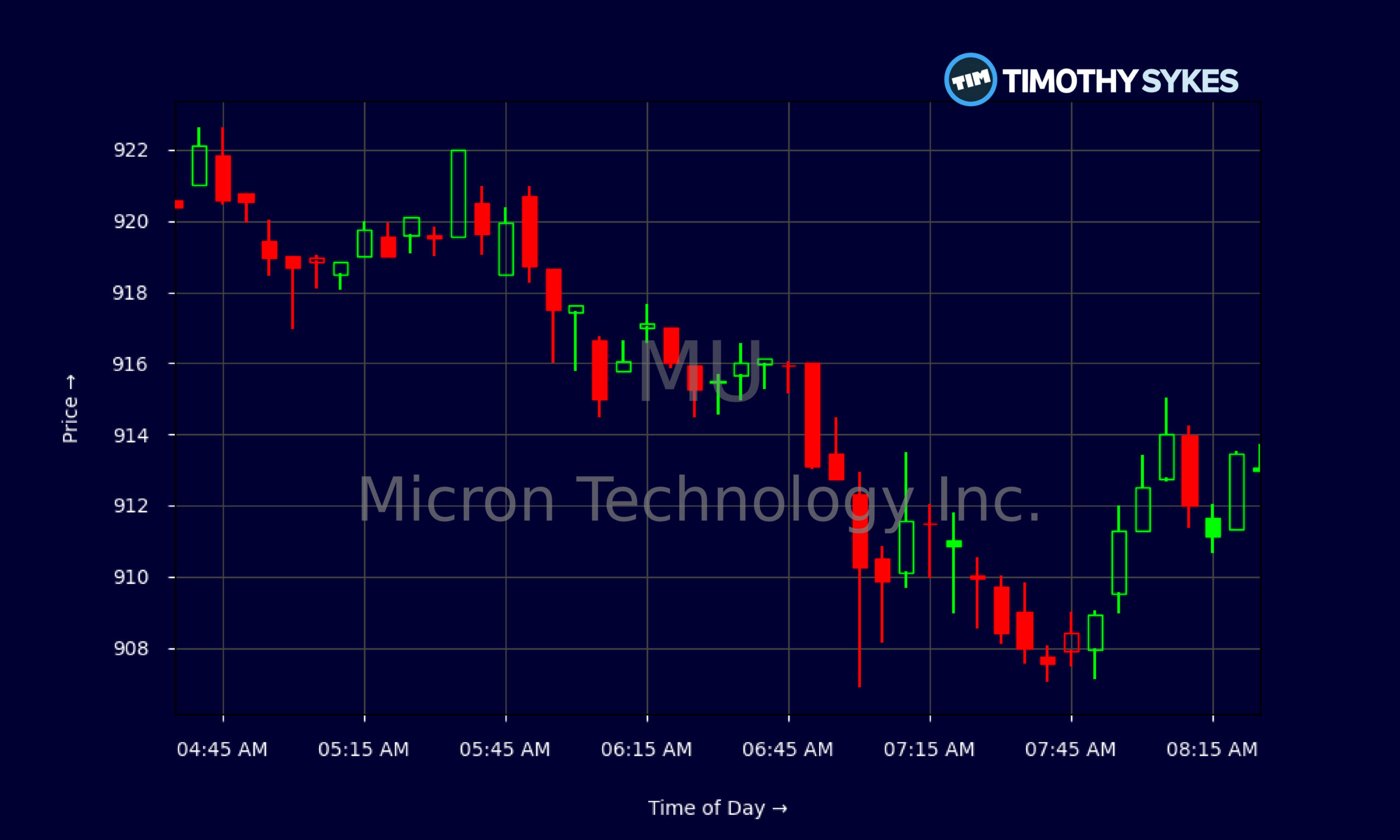
Live Update At 08:33:03 EDT: On Friday, October 16, 2026 Micron Technology Inc. stock [NASDAQ: MU] is trending down by -1.88%! Discover the key drivers behind this movement as well as our expert analysis in the detailed breakdown below.
Quick Financial Overview
Strip away the headline noise and MU still shows the profile of a heavyweight. Micron Technology just reported total revenue of about $54.2B in its latest period, with gross profit near $47.0B. That translates into a gross margin above 70%, which is unusually strong even for a memory leader.
Operating income for Micron Technology sits around $43.8B, while net income is roughly $37.7B. Those numbers point to profit margins that many chip peers would envy. MU is also throwing off serious cash, with operating cash flow over $43.9B against capital spending of about $11.1B.
On the balance sheet, MU carries total assets close to $195.9B and stockholders’ equity of about $138.4B, backing up the story of a well-capitalized name. Debt levels are present but manageable relative to that equity base and cash pile.
More Breaking News
For traders, the message is clear: MU’s recent selling is about sentiment and competition fears, not an obvious collapse in the company’s core financial strength.
Why Traders Are Watching MU After The CXMT Shock
All the recent drama in MU starts with one headline cluster: China’s CXMT claiming a DRAM breakthrough and a new 4F2 data center chip targeted for launch by year-end. As that news hit on 2026/10/13, Micron shares dropped around 5%, a big single-day hit for a mega-cap semiconductor name. Traders saw “breakthrough,” “data center,” and “China” in the same sentence and rushed for the exits.
Another wave followed. MU slid about 3.6% in later trading tied to the same CXMT story, showing this was more than a one-and-done flush. The market was actively repricing what Micron Technology’s technology lead might be worth if a state-backed rival starts closing the DRAM gap, especially in high-value data center products.
The pressure did not stop with MU. Micron Technology and SK Hynix dropped roughly 4.8% and 6.3%, respectively, after the CXMT headlines, confirming that traders now view this as a structural DRAM battle. When the whole peer group sells off, the market is signaling concern about industry-wide pricing and margins, not just Micron-specific execution.
Zoom out further. The iShares PHLX Semiconductor ETF has fallen about 2.1% and logged a sixth straight decline, led by a roughly 5.2% drop in Micron Technology. MU is acting like a high-beta lever on chip fear — when sentiment sours, it gets hit first and hardest. For active traders, that makes MU a prime momentum vehicle, in both directions.
Conclusion
By 2026/10/14, the damage in Micron Technology is still spreading into premarket action. MU is about 1.2% lower ahead of the open after a sharp 3.6% drop in the prior session. That tells traders selling is not just long-only funds quietly trimming. This is momentum, algos, and short-term players leaning into downside pressure.
Earlier in the month, MU was already showing cracks, down 0.5% premarket after a 1% slide into a Monday close. That pre-CXMT weakness matters. It shows Micron Technology was under quiet distribution before the China DRAM breakthrough headlines gave traders a clear narrative to sell against.
At the same time, none of this CXMT news instantly erases MU’s revenue scale, strong margins, or sizeable cash generation. The tension now is simple: powerful fundamentals versus a new perceived technology threat. That gap between fear and numbers is exactly where short-term trading opportunity often lives.
For active traders studying MU, the playbook is to respect the volatility, map key support and resistance, and avoid stubborn bias. As millionaire penny stock trader and teacher Tim Sykes says, “Be patient, don’t force trades, and let the perfect setups come to you.” As Tim Sykes loves to say, “The market doesn’t care about your opinion, only your preparation — study the pattern, control your risk, and let the price action tell the story.” This article is for educational and research purposes only and is not investment advice.
This is stock news, not investment advice. Timothy Sykes News delivers real-time stock market news focused on key catalysts driving short-term price movements. Our content is tailored for active traders and investors seeking to capitalize on rapid price fluctuations, particularly in volatile sectors like penny stocks. Readers come to us for detailed coverage on earnings reports, mergers, FDA approvals, new contracts, and unusual trading volumes that can trigger significant short-term price action. Some users utilize our news to explain sudden stock movements, while others rely on it for diligent research into potential investment opportunities.
Dive deeper into the world of trading with Timothy Sykes, renowned for his expertise in penny stocks. Explore his top picks and discover the strategies that have propelled him to success with these articles:
- Penny Stocks Trading Guide
- Best Penny Stocks Under $1 to Buy Today
- Top 8 Penny Stocks to Watch on Robinhood
Once you’ve got some stocks on watch, elevate your trading game with StocksToTrade the ultimate platform for traders. With specialized tools for swing and day trading, StocksToTrade will guide you through the market’s twists and turns.
Dig into StocksToTrade’s watchlists here:





Leave a reply